


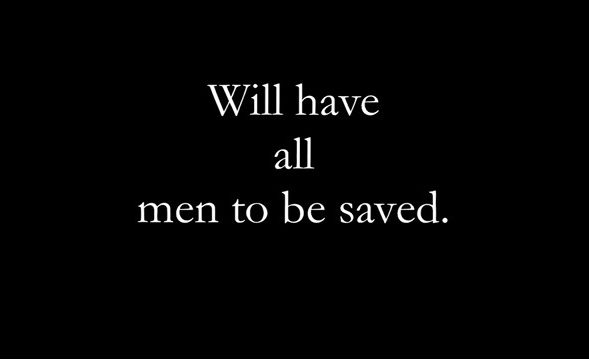
 Thomas Allin’s Scripture Chain. Covering the first 22 of Allin’s 48 scriptures detailing God’s plan for “all” his creation.


Latest posts
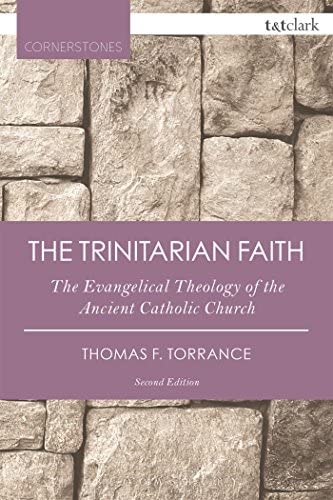
T.F. Torrance: The Trinitarian Faith
In the profound interaction between incarnation and atonement in Jesus, the blessed exchange it involved between the divine-human life of Jesus and mankind has the effect of finalising and sealing the ontological relations between every man and Jesus Christ. Thus 'our resurrection', as Athanasius once expressed it, 'is stored up in the Cross.' ...
Read More ...
Read More ...
A Short Summary of the Plan of God in Christ
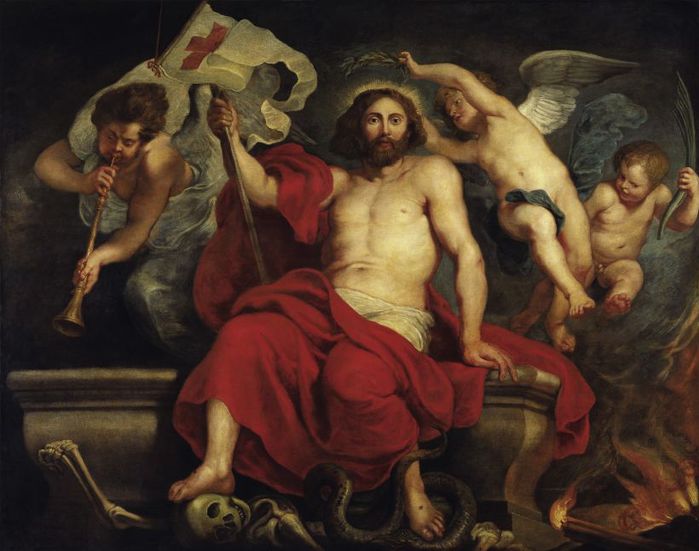
When communicating with those who are unfamiliar with the scriptural support for the true victorious gospel, it can be beneficial to have a starting point from which to branch out as appropriate ...
Read More ...
Read More ...
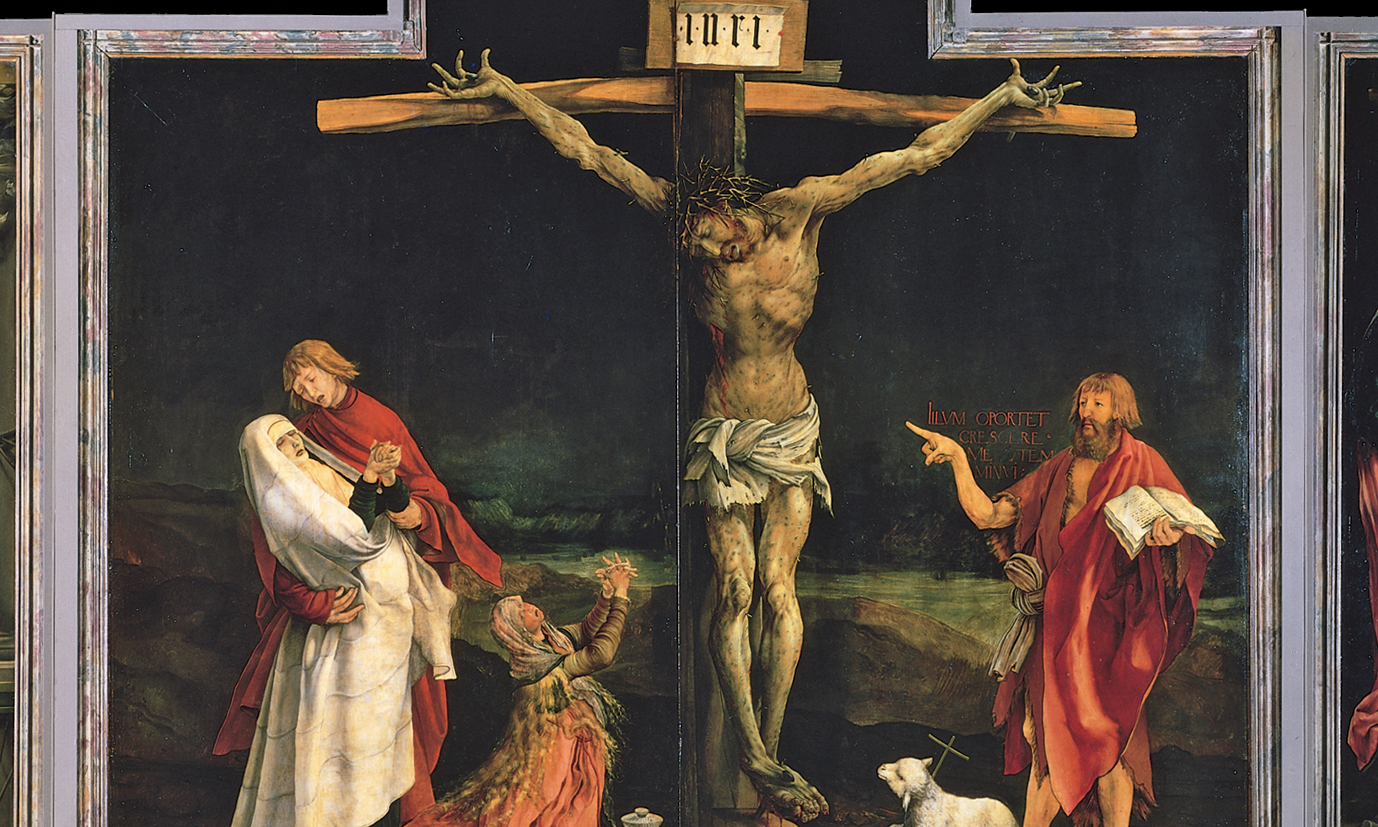
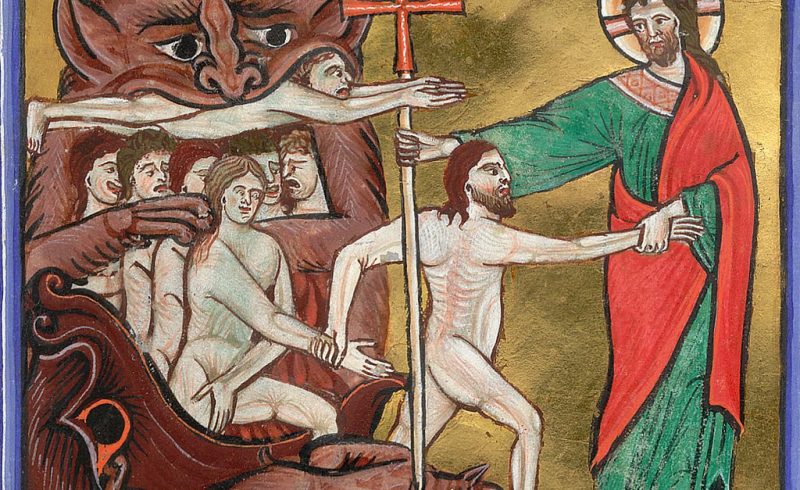
“Straight away He put away death” – Athanasius, On the Incarnation §9
To this end He takes to Himself a body capable of death, that it, by partaking of the Word Who is above all, might be worthy to die in the stead of all, and might, because of the Word which had come to dwell in it, remain incorruptible, and that thenceforth corruption might be stayed from all by the Grace of the Resurrection. Whence, by offering unto death the body He Himself had taken, as an offering and sacrifice free ...
Read More ...
Read More ...
Older posts
Sergius Bulgakov: The Lamb of God
Sergius Bulgakov (1871–1944) was a Russian Orthodox theologian, philosopher, priest and economist. The Lamb of God is the first volume in his great dogmatic trilogy. Though this volume primarily deals ...
Sergius Bulgakov: The Sophiology of Death: Essays on Eschatology: Personal, Political, Universal
What will be the final destiny of the human race at God's eschatological judgment? Will all be saved, or only a few? How does Christian eschatology impact Christian political action ...
“He has changed sunset into sunrise, and through the cross brought death to life”
Clement of Alexandria (c. 150-215 AD) Hail, O light! For in us, buried in darkness, shut up in the shadow of death, light has shone forth from heaven, purer than ...
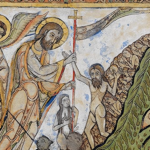
Origen on the end of the world (First Principles 3,6,1-9)
Tr. Frederick Crombie. From Ante-Nicene Fathers, Vol. 4. (1885) 1. Now, respecting the end of the world and the consummation of all things, we have stated in the preceding pages, ...
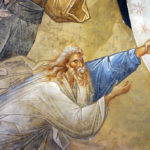
“Once saved, always saved” according to Origen
Greater than free will is love, because love is greater than all things. Love, says Origen, will keep every creature from falling away from God. In other words, not even ...
Videos from the Hope Conference (Oct. 9-10 2020), Helsinki, Finland
Find the playlist here. See also https://toivohope.blogspot.com/ ...
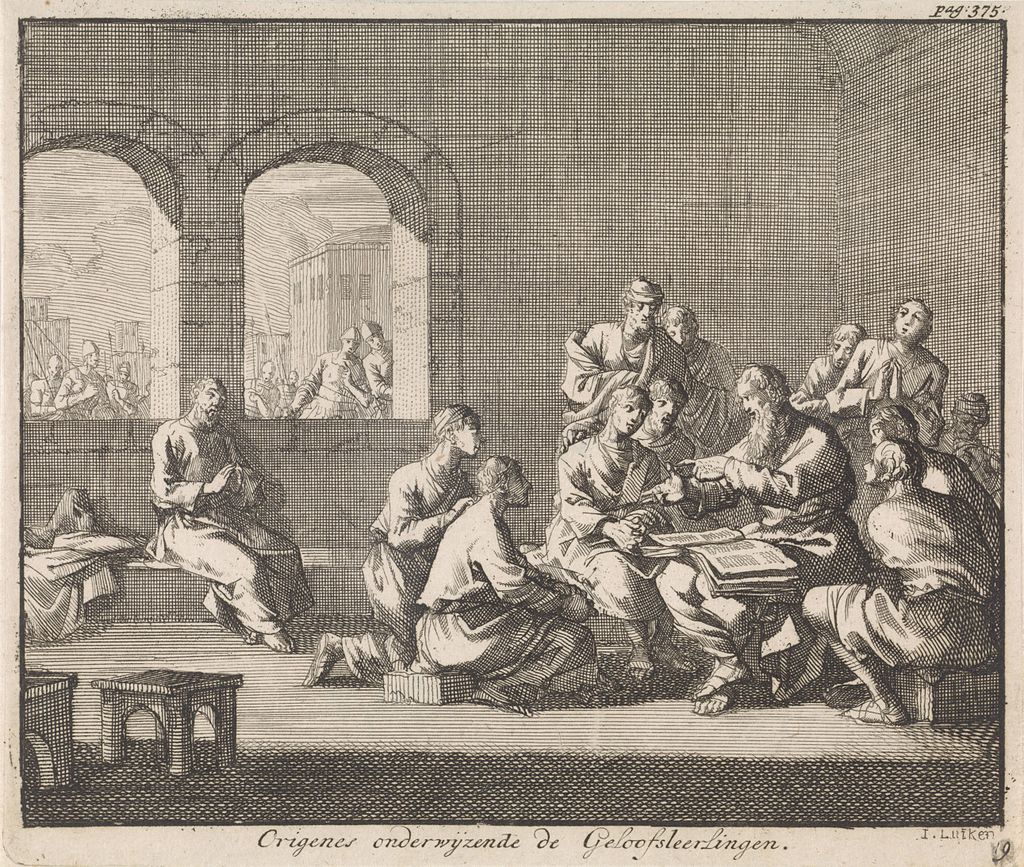
Origen on God’s “consuming fire”
The Platonic philosopher Celsus had argued against the supposed cruelty of the Christian idea of God as a "consuming fire" that tortures sinners. Origen, eager to defend the goodness of ...
Thomas Allin: A Chain of Passages From Scripture Declaring God’s Purpose
These passages are, I repeat, not taken at random and piled up any way. They are the expression of that Purpose that runs though the Bible. It is a Purpose ...

